Maturity Model

Where does your sales development practice stand?

Most teams sit between manual habits and partial automation. The maturity model shows the path from individual effort to a learning system, and the one move that takes you up a rung.
01 / Four levels

From individual effort to a learning system.

The model is not a maturity badge. It is a diagnostic. Find the rung your team actually operates on today, then focus on the single move that earns the next one.

1 Manual 2 Assisted 3 Orchestrated 4 Autonomous
02 / The system, coming alive

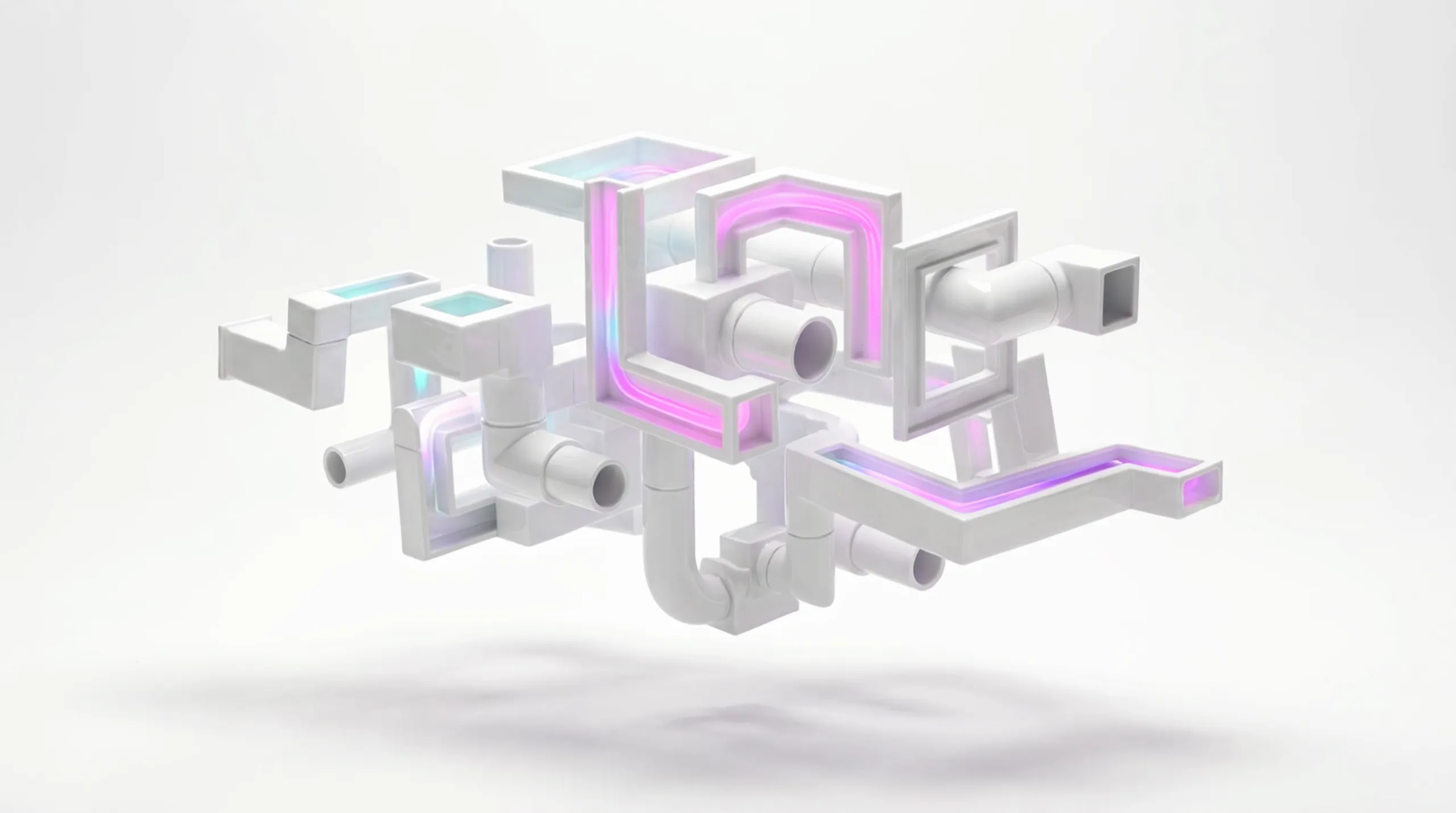
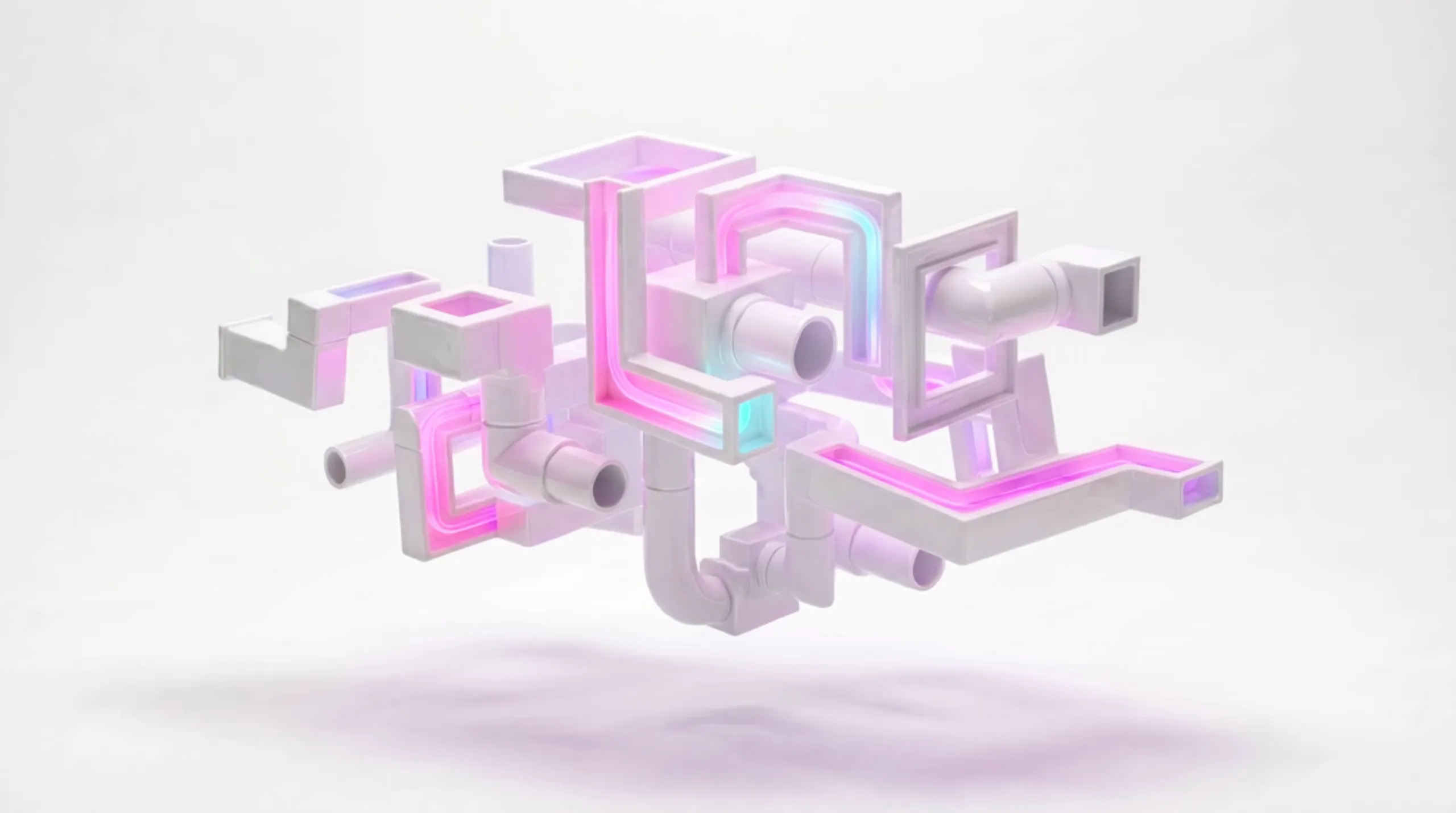
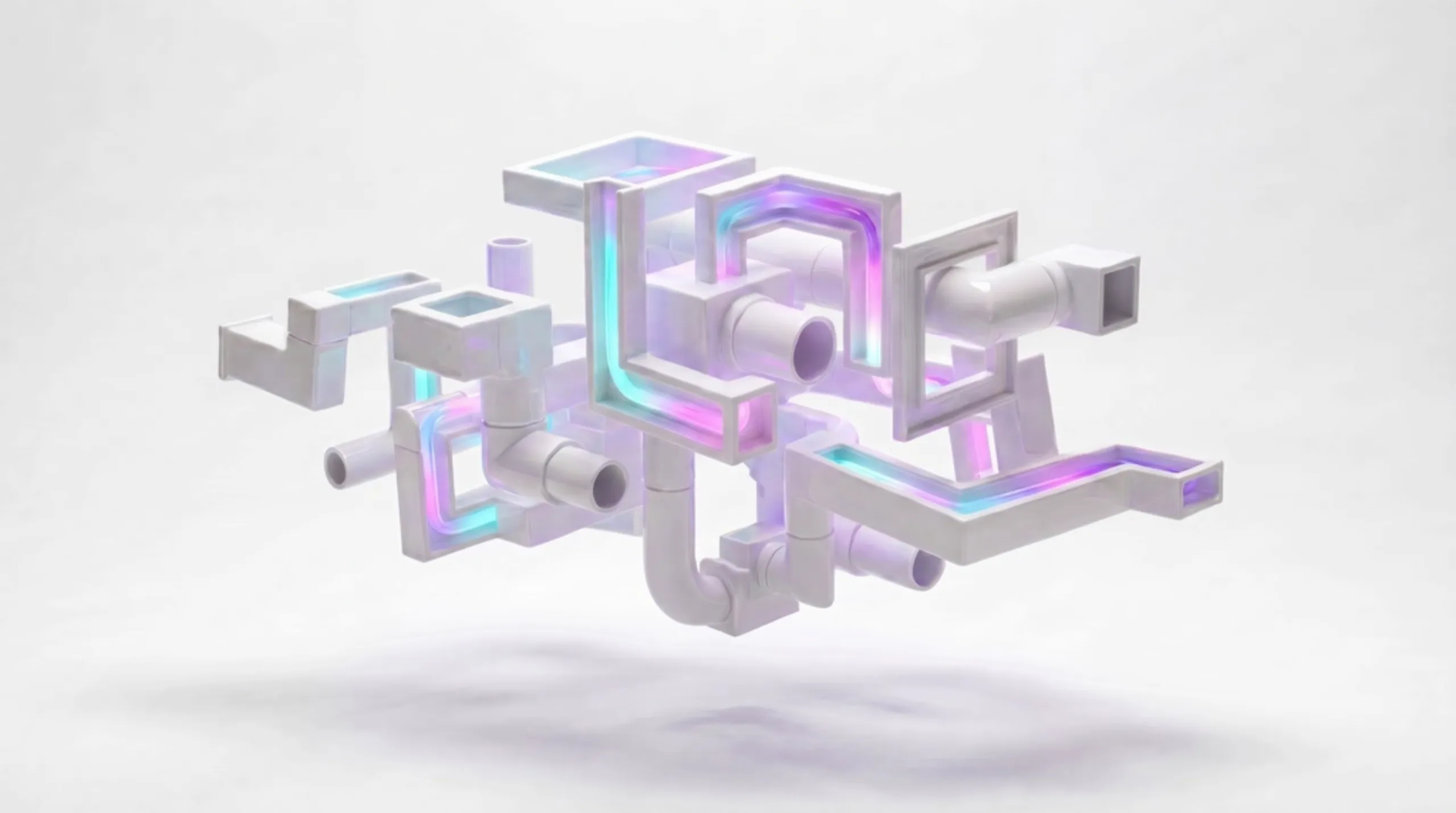
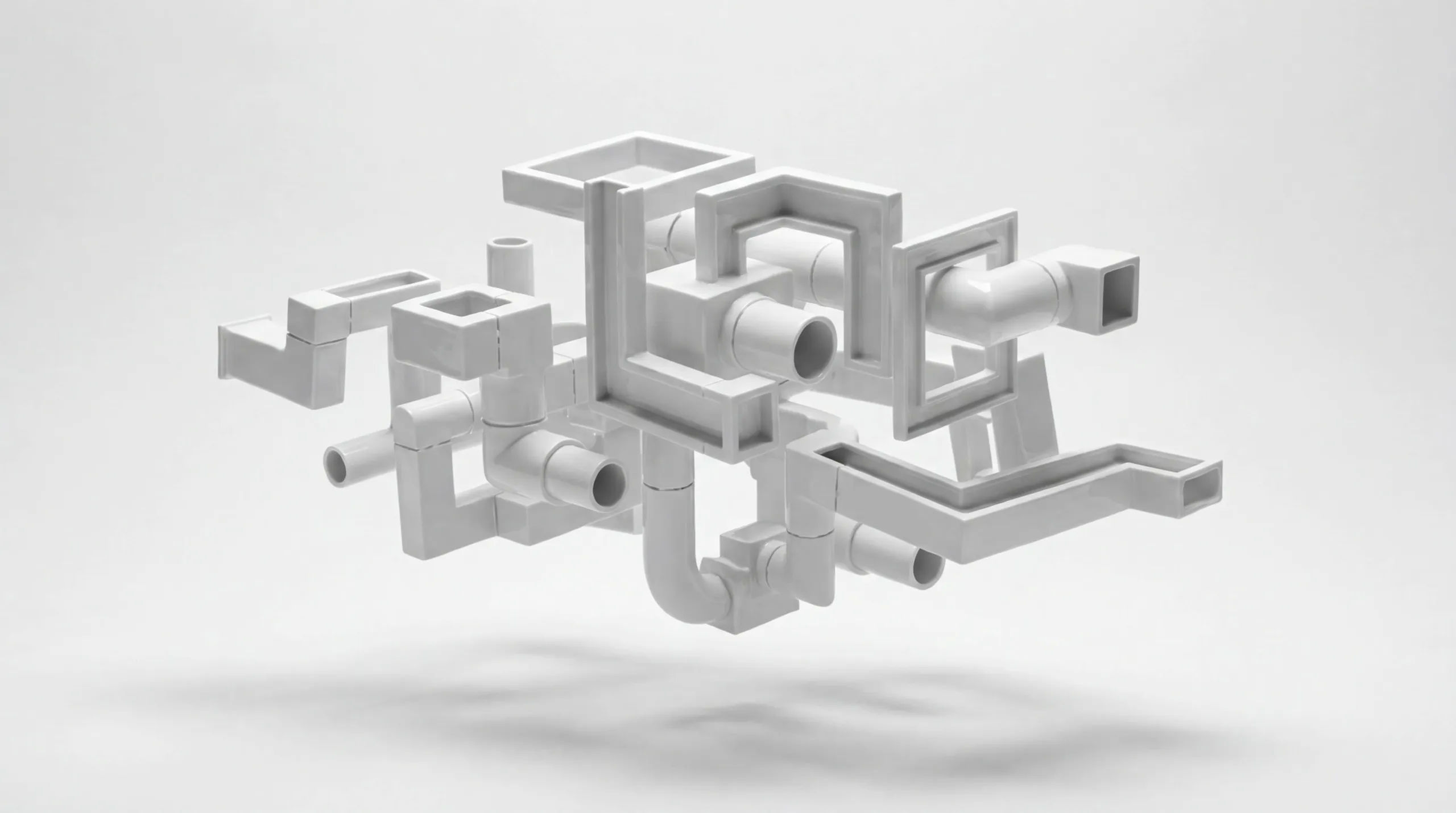
Color is the system waking up.

The same structure, four states. Manual is frozen. Autonomous flows.

01 Manual
02 Assisted
03 Orchestrated
04 Autonomous
03 / The level guide

Find your rung. Make the one move.

Level 1

Manual

Pipeline depends on individual effort. Research, messaging, and follow-up live in people's heads, so results swing with who is on the team.

What it looks like
  • Manual research
  • Individual habits
  • Inconsistent messaging
  • Activity-based management
The next move

Standardize the basics. Write down the ICP, a baseline sequence, and a definition of a qualified meeting.

Level 2

Assisted

Tools and AI handle parts of the workflow, but the system around them is loose. Output improves in spots while process, QA, and measurement lag.

What it looks like
  • Tools and AI for parts of the workflow
  • Process still inconsistent
  • QA still inconsistent
  • Measurement still inconsistent
The next move

Connect the parts. Define the motion end to end and put QA on the AI-assisted steps.

Level 3

Orchestrated

The motion is designed and repeatable. ICP, signals, and playbooks are defined, managers run a cadence, and AI assists inside a known workflow.

What it looks like
  • Defined ICP
  • Signal-based prioritization
  • Documented playbooks
  • Manager cadence
  • AI-assisted workflows
The next move

Tighten the loop. Measure meeting and conversion quality, then feed the learning back into the playbooks.

Level 4

Autonomous

The system coordinates itself. graph8 connects signals, campaigns, agents, conversations, and pipeline, with humans owning the moments that need judgment.

What it looks like
  • Coordinated signals and campaigns
  • Agents and conversations in one system
  • Pipeline and human handoffs orchestrated
  • A learning loop across the motion
The next move

Operate the system. Set the rules, review the exceptions, and let the loop compound.

Start here

Find your rung.

The Pipeline Diagnostic places your team on the model and hands you a 30/60/90 plan to climb.